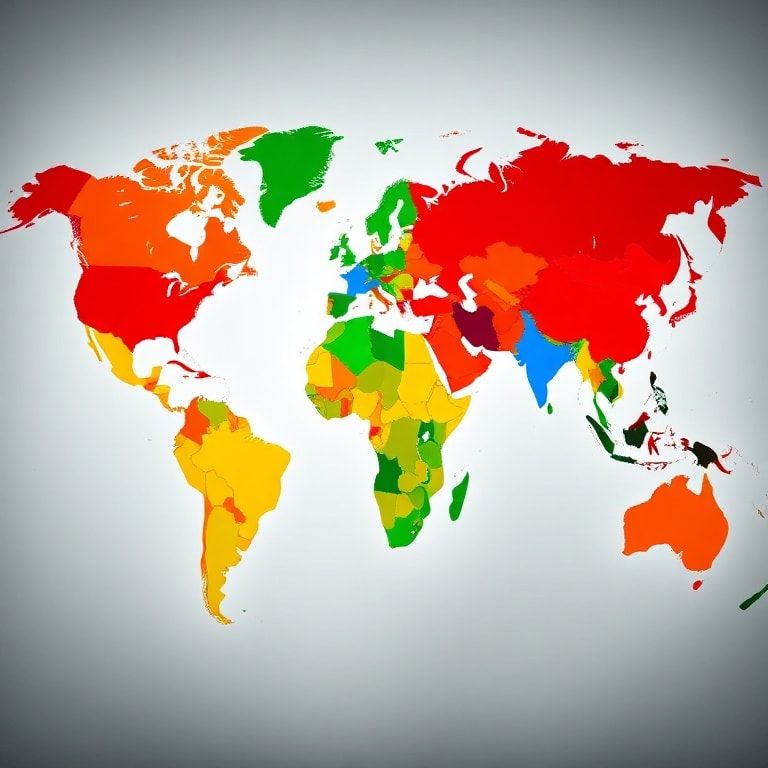
The world watches with bated breath as **global** leaders convene an emergency summit, addressing one of humanity’s most pressing and complex challenges: the climate migration crisis. With the unveiling of a comprehensive 2025 Action Plan, there’s a renewed sense of urgency and, crucially, a glimmer of hope. This pivotal gathering aims to forge unprecedented international cooperation, recognizing that no single nation can tackle the escalating displacement driven by environmental change alone.
The stakes couldn’t be higher. Millions are already on the move, and projections suggest these numbers will surge dramatically in the coming decades, impacting every corner of our interconnected world. This blog post delves into the core of the newly proposed strategy, highlighting five essential global breakthroughs that could redefine our approach to climate-induced migration and foster a more resilient, equitable future for all.
The Urgency of a Global Climate Migration Strategy
Climate change is no longer a distant threat; its immediate consequences are reshaping landscapes and livelihoods, forcing communities from their homes. From rising sea levels inundating coastal towns to prolonged droughts turning fertile lands into dust, the environmental pressures are relentless. This crisis demands a coordinated, robust global response that transcends national borders and political differences.
Understanding the Scale of Global Displacement
Current estimates by organizations like the Internal Displacement Monitoring Centre (IDMC) reveal that millions are displaced annually by weather-related events. The World Bank projects that, without significant climate action, over 200 million people could become internal climate migrants by 2050. These staggering figures underscore the immense scale of human suffering and the potential for widespread instability.
The drivers are multifaceted, ranging from slow-onset events like desertification and ocean acidification to sudden shocks such as hurricanes, floods, and wildfires. Each scenario presents unique challenges for affected populations and the international community alike. Understanding these nuances is critical to developing effective, targeted global interventions.
Economic and Social Repercussions Globally
The ripple effects of climate migration extend far beyond individual displacement. Host communities, often in developing nations, face immense strain on resources, infrastructure, and social services. This can exacerbate existing inequalities and, in some cases, fuel social tensions or even conflict.
Origin countries, too, suffer significant losses, including a depleted workforce, cultural erosion, and the breakdown of social structures. The economic costs, encompassing lost productivity, humanitarian aid, and reconstruction efforts, are projected to run into trillions of dollars globally. A proactive global strategy is therefore not just a humanitarian imperative but an economic necessity.
Breakthrough 1: A Unified Global Framework for Resettlement
One of the most significant announcements from the emergency summit is the proposal for a unified global framework for climate migration. This framework aims to standardize processes, criteria, and protections for individuals displaced across international borders due to climate impacts. It represents a monumental shift from ad-hoc responses to a structured, rights-based approach.
The 2025 Action Plan details mechanisms for identifying climate-vulnerable populations, assessing their needs, and facilitating safe and dignified resettlement pathways. This includes provisions for temporary protection, humanitarian visas, and even permanent residency options for those who cannot return home. It’s a testament to the growing recognition that climate migrants, while not currently covered by the 1951 Refugee Convention, require dedicated international legal and logistical support.
This breakthrough emphasizes shared responsibility among nations, with commitments to equitable burden-sharing and international solidarity. It seeks to prevent desperate journeys and exploitation, offering a beacon of hope for millions. The framework will also include provisions for skill matching and integration support, ensuring that new arrivals can contribute meaningfully to their host communities and rebuild their lives with dignity.
Breakthrough 2: Investing in Climate Resilience and Adaptation Globally
While addressing displacement is crucial, preventing it in the first place is paramount. The second major breakthrough focuses on significantly scaling up investments in climate resilience and adaptation initiatives, particularly in the most vulnerable regions. This proactive approach aims to build stronger communities that can withstand the impacts of a changing climate, reducing the necessity for people to move.
Protecting Vulnerable Global Communities In-Situ
The 2025 Action Plan allocates substantial new funding towards projects designed to protect communities in their current locations. This includes developing drought-resistant agricultural practices, constructing sea walls and elevated infrastructure in coastal areas, and implementing sustainable water management systems. These initiatives are tailored to local contexts, empowering communities to adapt rather than flee.
Emphasis is placed on community-led adaptation, ensuring that solutions are culturally appropriate and meet the specific needs of the people they serve. This approach not only strengthens physical resilience but also fosters social cohesion and economic stability, allowing communities to thrive despite environmental challenges. The Green Climate Fund and other international mechanisms are set to receive unprecedented levels of support to drive these efforts.
Innovative Technologies for Global Adaptation
Technological innovation plays a critical role in this breakthrough. The summit highlighted the potential of cutting-edge solutions, from advanced early warning systems that predict extreme weather events with greater accuracy to biotechnologies that develop super-resilient crops. Satellite imagery and AI-driven predictive models are being deployed to identify at-risk areas and inform targeted interventions, improving global preparedness.
Investment in renewable energy infrastructure is also a key component, reducing reliance on fossil fuels and mitigating further climate change while providing reliable power to developing regions. These technological advancements, coupled with traditional knowledge, offer a powerful toolkit for building a more resilient global society. Sharing these technologies across borders is a core principle of the new action plan.
Breakthrough 3: Enhanced Global Data and Early Warning Systems
Effective response and prevention strategies hinge on accurate, timely information. The third breakthrough centers on establishing a sophisticated global network for data collection, analysis, and early warning specifically tailored to climate migration. This initiative will revolutionize how we understand, predict, and respond to population movements driven by environmental factors.
By leveraging satellite technology, AI, and advanced meteorological models, this system will provide real-time insights into environmental changes and their potential impact on human populations. It will track climate hazards, monitor internal and cross-border displacement, and identify emerging hotspots with unprecedented precision. This robust data infrastructure will be a shared global resource, accessible to governments, humanitarian organizations, and research institutions worldwide.
The goal is to move beyond reactive responses to proactive planning. With enhanced data, policymakers can anticipate migration flows, pre-position aid, and allocate resources more efficiently, saving lives and reducing suffering. This global collaboration in data sharing and analysis will be instrumental in making informed decisions for a rapidly changing world.
Breakthrough 4: Fair and Equitable Global Burden Sharing
The climate crisis is a global problem, yet its impacts and the capacity to respond are unevenly distributed. The fourth breakthrough addresses this fundamental inequity by proposing mechanisms for fair and equitable global burden sharing. This acknowledges that historically, industrialized nations bear a greater responsibility for greenhouse gas emissions, while developing countries often face the brunt of climate impacts and subsequent migration.
The 2025 Action Plan outlines proposals for increased financial contributions from developed nations to support climate adaptation and migration management in vulnerable regions. This includes dedicated funds for resettlement costs, infrastructure development in host countries, and long-term integration programs. The principle is one of climate justice, ensuring that those most responsible for the problem contribute proportionally to its solutions.
Beyond financial aid, the plan explores options for shared hosting responsibilities, potentially through a quota system or facilitated pathways for skilled migrants from climate-affected areas. This collaborative approach aims to distribute the human and economic costs of climate migration more justly across the international community, fostering a sense of collective responsibility for a truly global challenge. Discussions are ongoing regarding innovative financing mechanisms, such as carbon taxes, to fund these initiatives.
Breakthrough 5: Fostering Global Education and Public Awareness
Ultimately, sustained action on climate migration requires widespread public understanding and support. The fifth essential breakthrough focuses on a concerted global effort to educate citizens, shift narratives, and foster empathy towards those displaced by climate change. This initiative recognizes that policy changes, however well-intentioned, can only succeed with a supportive and informed populace.
Shifting Global Narratives
A key component of this breakthrough is actively combating misinformation and xenophobia surrounding climate migrants. The plan calls for international campaigns that highlight the human stories behind the statistics, emphasizing resilience, dignity, and the universal right to safety. By humanizing the crisis, the aim is to foster greater empathy and understanding across different cultures and nations. This also involves showcasing successful integration stories and the positive contributions of climate migrants to their new homes.
Empowering Global Citizens
The 2025 Action Plan also emphasizes the importance of empowering individuals and communities to become agents of change. This includes supporting educational programs in schools and universities worldwide, promoting climate literacy, and encouraging civic engagement on environmental and humanitarian issues. Grassroots organizations, NGOs, and youth movements are recognized as vital partners in raising awareness and advocating for climate justice. By fostering a globally aware and engaged citizenry, we can build a stronger foundation for sustained climate action and compassionate responses to migration.
Conclusion: A New Era of Global Cooperation
The emergency summit on the climate migration crisis and the unveiling of the 2025 Action Plan mark a pivotal moment in our collective history. The five essential breakthroughs discussed – a unified global framework for resettlement, scaled investment in resilience, enhanced data systems, equitable burden sharing, and fostering public awareness – represent a comprehensive and compassionate strategy to address this multifaceted challenge.
This is not merely about managing a crisis; it is about building a more just, resilient, and sustainable future for everyone. The commitment to **global** cooperation, innovation, and shared responsibility offers a powerful roadmap for navigating the complexities of climate-induced displacement. It’s a call to action for governments, organizations, and individuals alike to play their part in creating a world where no one is left behind due to the impacts of a changing climate.
Join the conversation, support initiatives focused on climate adaptation and humanitarian aid, and advocate for policies that prioritize climate justice. Your engagement can help turn these breakthroughs into tangible realities for millions around the world. Let’s work together to ensure the 2025 Action Plan truly ushers in a new era of global solidarity and effective climate action.
About The Author