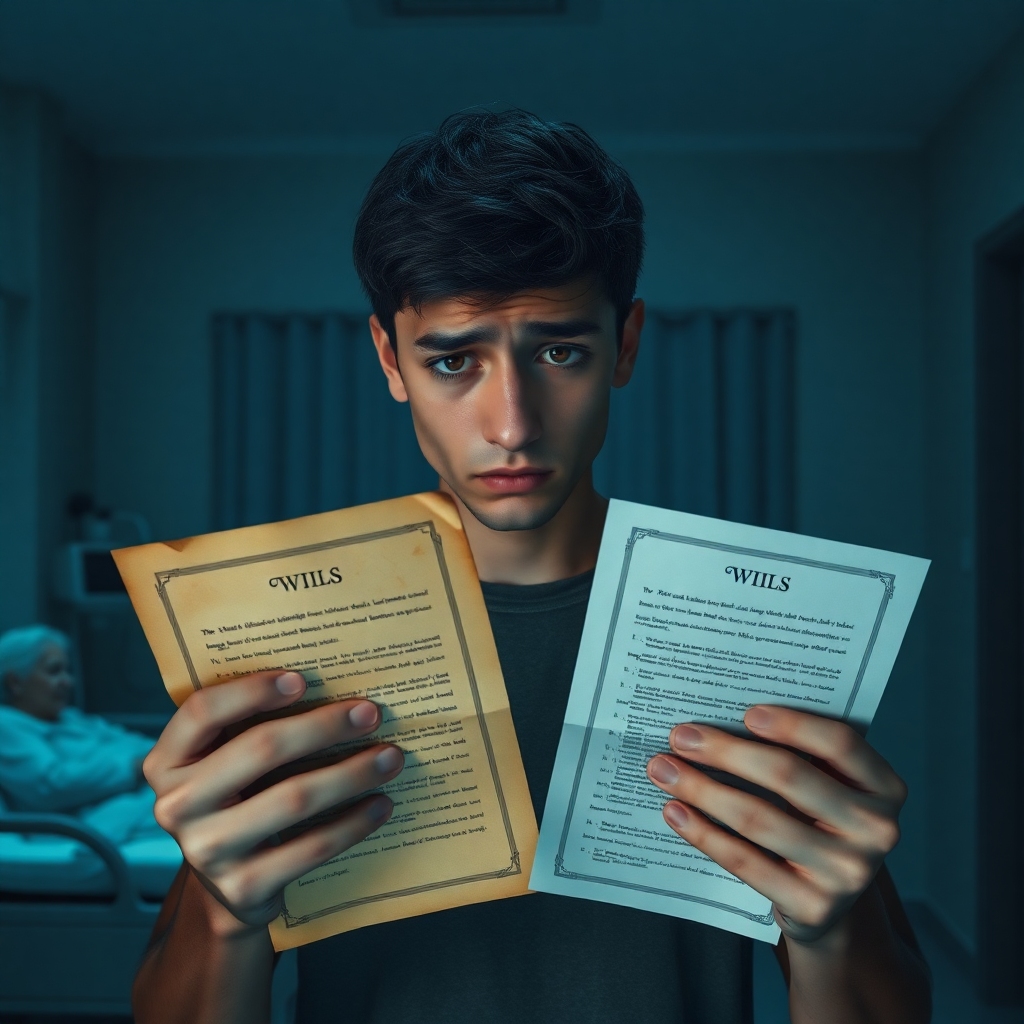
Welcome to a space where truths, no matter how uncomfortable, find a voice. Today’s entry delves into a deeply personal and morally complex situation, a raw exposition of choices made under extreme duress. This is a **confession** that weighs heavily, a burden carried in silence, now brought into the light. It’s a story of family, desperation, and the crushing aftermath of a decision that irrevocably altered lives, leaving behind a profound sense of guilt. This isn’t just a narrative; it’s an exploration of the psychological toll when love, loyalty, and survival clash in a devastating ethical dilemma. My hope is that by sharing this unfiltered truth, others might find understanding, or perhaps, a path to navigate their own unspoken burdens.
The Weight of a Confession: Unveiling a Moral Dilemma
Life often presents us with impossible choices, moments where the lines between right and wrong blur into an agonizing gray. For me, such a moment arrived cloaked in the grief of impending loss and the panic of a desperate plea. My grandmother, a woman who had always been a bedrock of stability, was nearing the end of her life. Her will, meticulously crafted years ago, reflected her clear intentions, and everyone in the family understood its provisions. It was a document meant to bring peace, not turmoil.
Yet, in the shadow of her final days, another crisis emerged, one that pushed me to the brink. This isn’t just a story; it’s my **confession**, a testament to the lengths one might go when faced with an unimaginable predicament involving family, loyalty, and the desperate hope for salvation.
My Personal Confession: The Path to an Unthinkable Choice
The decision I made was not born of malice, but from a place of profound fear and a misguided sense of obligation. My father, with whom I had a strained, often tumultuous relationship, was in dire straits. Decades of poor choices, financial mismanagement, and personal struggles had led him to the precipice of ruin. He faced homelessness, bankruptcy, and a complete breakdown of his already fragile existence.
The Estrangement and the Desperation
Our relationship had been distant for years, marked by unspoken resentments and unaddressed hurts. Despite the estrangement, the thought of him utterly destroyed, cast out with nowhere to go, gnawed at me. He was still my father, and the primal instinct to protect, however complicated, surged to the forefront. His pleas, full of desperation and a rare vulnerability, chipped away at my resolve. He needed significant financial assistance, an amount that seemed insurmountable through conventional means.
This desperate situation felt like a suffocating weight. I knew my grandmother’s will did not provide for my father in the way he needed, or frankly, in any substantial way given his history. She had made her wishes clear, distributing her assets thoughtfully among other family members and charities. The impending finality of her death and the stark reality of my father’s impending destitution collided in a perfect storm of moral conflict. This internal battle was a silent **confession** to myself of the impossible situation I found myself in.
Grandmother’s Final Days and Her Will
My grandmother was frail, her mind drifting in and out of lucidity. The original will was clear, concise, and reflected her long-held values. She believed in self-sufficiency and had, in her healthier years, expressed concerns about enabling my father’s destructive patterns. Altering her will felt like a profound betrayal of her trust and her memory, even before she had passed. It was a betrayal of everything she stood for, a secret **confession** to the universe of my impending transgression.
The days leading up to her passing were a blur of hospital visits, whispered prayers, and the gnawing anxiety of my father’s fate. I wrestled with the enormity of what I was contemplating. Could I truly interfere with a dying woman’s last wishes? Could I stand by and watch my father crumble completely? The pressure was immense, and in a moment of weakness, fueled by a misguided sense of duty, I made the choice.
The Act of Confession: A Moment of No Return
The act itself was a blur of adrenaline and cold dread. It involved careful planning, a quiet manipulation of circumstances, and a profound sense of entering forbidden territory. I located the original will, studied its format, and meticulously crafted a new one. This revised document redirected a significant portion of my grandmother’s estate to my father, ensuring his immediate financial security and, I hoped, a chance at rebuilding his life. The sheer audacity of the act, the calculated deception, was staggering even to me.
Executing the Switch: A Hushed Confession
The “switch” was carried out with a sickening precision. During a moment when I was alone with her affairs, I replaced the authentic document with the forged one. Every rustle of paper, every furtive glance around, felt like a thunderclap in the silence. My heart hammered against my ribs, a silent **confession** of the crime I was committing. There were no witnesses, no immediate consequences, only the cold, hard reality of what I had done. The ease with which it was accomplished only amplified the horror of it. It felt like walking a tightrope over an abyss, knowing one wrong step could unravel everything.
I justified it to myself then as a necessary evil, a painful sacrifice for a greater good—my father’s survival. I convinced myself that my grandmother, in her heart, would have understood, would have wanted her son to be safe. But deep down, a voice whispered that I was lying, not just to others, but to myself. This was a profound breach of trust, a violation of sacred wishes, and a **confession** to my own moral failings.
The Immediate Aftermath: A Seed of Guilt
In the immediate aftermath, there was a strange mix of relief and profound unease. My father’s financial crisis was averted. He received the funds, and for a time, a semblance of stability returned to his life. I saw him breathe a sigh of relief, saw hope flicker in his eyes, and a part of me clung to that as vindication. Yet, the relief was fleeting, quickly overshadowed by a gnawing, insidious guilt. Every mention of my grandmother, every conversation about her legacy, felt like a fresh wound.
The seed of guilt, once planted, began to sprout, its roots intertwining with every aspect of my life. It was a constant companion, a silent accuser. This wasn’t merely regret; it was a deep-seated shame, a **confession** that had no words, only a heavy ache in my soul. I had crossed a line, a moral boundary, and there was no turning back.
The Crushing Burden of My Confession: Living with the Aftermath
The guilt is not a fleeting emotion; it is a pervasive presence, a relentless shadow that follows me everywhere. It manifests in sleepless nights, in sudden pangs of anxiety, and in a constant fear of exposure. Every time my father expresses gratitude, every time a family member speaks fondly of my grandmother’s generosity, the knife twists deeper. I live with the knowledge of a profound deception, a secret that threatens to unravel my entire life.
The Psychological Toll: A Constant Confession
The psychological toll has been immense. I find myself withdrawing, avoiding situations where I might have to discuss my grandmother’s will or estate. Trust, both in myself and in others, has been eroded. I question my own moral compass, constantly replaying the events, searching for an alternative path I could have taken. The weight of this **confession** is suffocating, impacting my mental well-being in ways I never anticipated. It’s like carrying a heavy, invisible burden everywhere I go, a silent scream trapped within.
I often wonder what my grandmother would think, how she would feel knowing her final wishes were so brazenly disregarded. This thought alone is enough to send me spiraling into despair. The internal monologue is a constant, agonizing **confession** of my actions, a self-condemnation that offers no reprieve. It’s a lonely existence, living with such a monumental secret, unable to confide in anyone for fear of the devastating consequences.
Impact on Relationships and Self-Perception
The guilt has subtly, but significantly, impacted my other relationships. There’s a barrier, an unspoken truth that prevents me from being fully present or truly vulnerable with loved ones. I fear their judgment, their disappointment, should they ever discover my **confession**. This constant vigilance, this need to maintain the facade, is exhausting. My self-perception has shifted dramatically; I no longer see myself as the person I once was, but as someone capable of profound deception. This self-judgment is perhaps the harshest punishment of all.
The act has not only affected my peace of mind but has also tainted the way I view my own family. The love for my father is now inextricably linked with the guilt of my actions, creating a complex web of emotions that are difficult to untangle. This secret **confession** has created an emotional chasm within me, isolating me even when surrounded by those I care about.
Beyond My Confession: Understanding the Broader Implications
While my story is deeply personal, it highlights universal themes of ethical dilemmas, family loyalty, and the far-reaching consequences of morally ambiguous choices. The act of altering a will carries not only emotional weight but also significant legal and ethical ramifications that extend far beyond personal guilt.
Legal Ramifications of Will Tampering
The legal implications of what I did are severe. Tampering with a will is a serious offense, often classified as fraud or forgery, with potential criminal charges and civil penalties. If discovered, it could lead to the invalidation of the altered will, legal battles, financial restitution, and even imprisonment. The legal system is designed to uphold the integrity of a person’s last wishes, and any deviation is met with stern consequences. This knowledge adds another layer of fear to my daily existence, turning every unexpected phone call or knock at the door into a potential threat. My secret **confession** could become a public scandal.
For anyone considering similar actions, understanding these legal risks is paramount. The desire to help a loved one, however strong, does not supersede the law. The long-term repercussions can be devastating, affecting not only the perpetrator but also innocent family members caught in the fallout. Resources like [link to a reputable legal aid website on estate law] can provide valuable insights into the complexities of estate planning and the severe penalties for interference.
The Ethical Maze of My Confession
Beyond the law, there’s the profound ethical breach. A will represents a person’s final statement, their last act of agency and control over their legacy. To subvert that is to deny their autonomy and disrespect their memory. It’s a violation of trust, not just with the deceased, but with all beneficiaries and the broader family unit. The ethical maze I’ve navigated has left me with a deep sense of moral injury. It’s a constant reminder of the lines I crossed, the values I compromised.
The ethical dilemma I faced is one many might grapple with in less extreme forms: when does personal loyalty override moral principles? When does compassion for one person justify an injustice to another? These are questions with no easy answers, and my own experience serves as a stark reminder of the long-lasting pain that can arise from choosing a path of deception. This ethical quandary is at the heart of my ongoing internal **confession**.

Navigating the Aftermath: Seeking Solace After a Confession
Living with such a heavy secret is unsustainable. The crushing guilt demands an outlet, a path towards resolution, even if full disclosure isn’t an option. Finding ways to cope, to process the immense emotional burden, becomes essential for survival.
The Importance of Professional Help
For anyone carrying a secret of this magnitude, seeking professional help is crucial. Therapists, counselors, or spiritual advisors can provide a safe, confidential space to explore these complex emotions without judgment. They can help process the guilt, fear, and shame, and develop coping mechanisms. Talking through the ethical quandaries and the psychological impact can be incredibly liberating, even if the **confession** itself remains private. It’s about finding a way to live with the truth, rather than being consumed by it.
Resources such as [link to a reputable mental health organization for guilt and trauma] offer guidance on how to find support. Understanding that you are not alone in facing difficult moral dilemmas, even if your specific situation is unique, can be a first step towards healing. This is not about condoning the act, but about healing the person who committed it.
Exploring Paths to Forgiveness and Reconciliation
Forgiveness, both self-forgiveness and potentially seeking it from others (if disclosure becomes an option), is a long and arduous journey. It involves acknowledging the harm caused, understanding the motivations, and committing to living a life of integrity moving forward. Reconciliation might involve making amends in other ways, perhaps through charitable acts in my grandmother’s name, or by striving to be a better person in honor of her memory. While I cannot undo my actions, I can strive to understand them and to mitigate their psychological impact on my future.
The path to peace is not about erasing the past, but about integrating it into a narrative of growth and learning. My ongoing struggle is a silent **confession** to the enduring power of conscience, and a testament to the human capacity for both profound error and the yearning for redemption. This journey is about finding a way to live with my truth, and perhaps, one day, finding a measure of inner peace.
Final Thoughts: The Enduring Echo of a Confession
My **confession** is a stark reminder of the intricate web of family dynamics, the desperate measures born of love or perceived loyalty, and the heavy price of moral compromise. The guilt I carry is a constant companion, a testament to the profound impact of my actions on my own soul and the memory of my grandmother. It’s a heavy burden, but one that has forced me to confront uncomfortable truths about myself and the complexities of human nature.
If you find yourself grappling with an ethical dilemma, or carrying a secret burden, know that you are not alone. The weight of such experiences can be immense, but there are resources and paths to understanding, healing, and perhaps, even forgiveness. Seek support, talk to a trusted professional, and remember that confronting your own truth, even if only internally, is the first step towards finding peace. Let this **confession** serve as a cautionary tale, and a testament to the enduring power of conscience. Share your thoughts in the comments below, or seek professional guidance if you’re struggling with similar burdens. Your story, too, deserves to be heard.
About The Author
