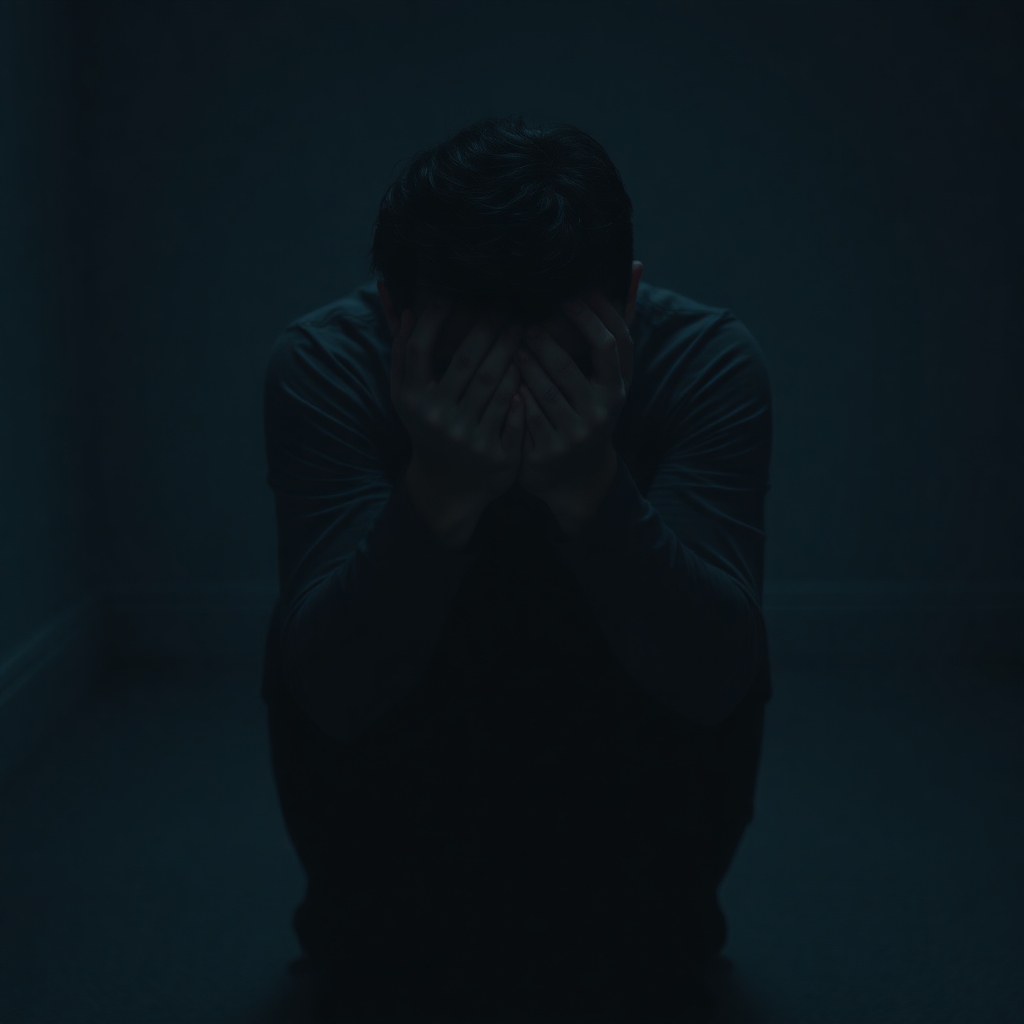
Title: Confession: My Biggest Regret
The weight of a secret can be an unbearable burden, a silent scream trapped within the confines of one’s own mind. For years, I’ve carried such a secret, a dark shadow that has followed me through every milestone, every celebration, and every quiet moment of reflection. Now, as my younger brother’s wedding approaches, the shadow looms larger than ever, threatening to engulf everything. This isn’t just a story; it’s a **confession** – a raw, terrifying admission of a past I desperately wish I could undo, and a future I fear will be shattered by its revelation.
The truth is, years ago, I accidentally crippled my younger brother. And to protect me, my father took the blame. For decades, that lie has been the foundation upon which our family’s peace, however fragile, has been built. But peace built on deceit is a house of cards, and the impending wedding feels like a gale-force wind, ready to bring it all crashing down. The terror is palpable, a constant knot in my stomach, as I contemplate the devastating fallout if the truth about my **confession** were to emerge.
The Unspeakable Incident: My Confession
It happened when we were children, just kids playing in the backyard, full of youthful energy and reckless abandon. What started as an innocent game quickly escalated, as such things often do. There was a moment of misjudgment, a split-second decision, and then a horrifying accident. My brother fell, badly, and the sound of his cry still echoes in my nightmares.
The aftermath was a blur of panic, sirens, and hospital visits. The diagnosis was devastating: a severe spinal injury that would forever alter the course of his life, leaving him with a permanent disability. My world, already reeling, collapsed further under the crushing weight of guilt. I was just a child, but I knew, deep in my bones, that I was responsible.
The Burden of a Father’s Confession
In the chaos and despair that followed, my father did something extraordinary, something I now understand was both an act of profound love and a terrible mistake. He took the blame. He told everyone it was his fault, a lapse in supervision, a moment of negligence. He became the scapegoat, shielding me from the consequences of my actions, from the fury and sorrow that would have undoubtedly been directed my way.
I was too young to fully comprehend the gravity of his sacrifice then, but old enough to understand that a massive lie had been constructed. This lie became our family’s unspoken truth, a protective barrier around me, but a suffocating one for my father. His act of love cemented my secret, turning my accidental mistake into a deliberate cover-up, a silent **confession** of guilt that only I knew.
Years passed, and life, in its relentless way, moved forward. My brother adapted with incredible resilience, facing his challenges with a strength that often shames me. Our family learned to navigate the new normal, but the unspoken truth festered beneath the surface. Every family gathering, every shared laugh, every moment of apparent normalcy felt tainted by the secret I carried, the truth of my original **confession** locked away.
Living with the Lie: A Constant Confession of Guilt
The psychological toll of living with such a profound secret is immense. It’s a constant, low hum of anxiety, a persistent feeling of being an imposter. Every kind word directed at my father for his “strength” or “responsibility” felt like a dagger to my heart. Every time my brother spoke of his injury, a wave of nausea would wash over me, a silent **confession** of my complicity.
I tried to compensate, becoming overly protective of my brother, always trying to make amends in small, unspoken ways. I pushed myself to excel, perhaps as a form of penance, believing that if I could achieve enough, be good enough, it might somehow balance the scales. But no amount of achievement could erase the past, nor could it alleviate the crushing weight of my unvoiced **confession**.
Studies on the impact of secrets reveal that they can significantly impair well-being, leading to increased stress, anxiety, and even physical health issues. The mental energy expended to conceal information can be draining, affecting cognitive function and emotional regulation. This resonates deeply with my experience; the constant vigilance required to maintain the lie has been exhausting.
The Approaching Storm: A Wedding and a Confession
Now, my brother is getting married. It should be a joyous occasion, a celebration of love and new beginnings. But for me, it feels like a ticking time bomb. Weddings are times of reflection, of family stories, of toasts and heartfelt speeches. They are moments when the past is often revisited, when old memories surface, sometimes unexpectedly.
The fear is multi-layered. What if someone, anyone, remembers a detail differently? What if my father, now older and perhaps less guarded, lets slip a comment that unravels the carefully constructed narrative? Or worse, what if the sheer pressure of the event, combined with my own escalating anxiety, causes me to crack, to make the ultimate **confession**?
The thought of my brother, on the happiest day of his life, discovering the truth is unbearable. The betrayal, not just from me but from our father, would be catastrophic. It would not only destroy our relationship but potentially shatter his faith in our entire family. The wedding, meant to symbolize unity and future, could become the crucible of our undoing.
The Dilemma: To Confess or Not to Confess?
This is the question that haunts my waking hours and invades my dreams. The urge to unburden myself, to finally make a full **confession** and live authentically, is immense. I crave the freedom that comes with truth, the possibility of genuine healing, not just for myself but for my family.
However, the potential consequences are terrifying. Revealing the truth now could cause unimaginable pain. My brother might feel a profound sense of betrayal, not only from me but from our father, who has carried this lie for so long. It could destroy his wedding, his relationship with his new spouse, and the trust within our entire family unit. The damage might be irreparable.
The ethical dilemma is complex. Is it more damaging to continue the lie, allowing it to fester and potentially explode, or to reveal a truth that could cause immediate, acute pain but perhaps lead to long-term healing? There’s no easy answer, no clear path forward when the stakes are so incredibly high. This is a profound **confession** of my internal struggle.
Seeking Guidance: Navigating the Path to a Potential Confession
In situations of such immense emotional and ethical complexity, professional guidance is often invaluable. Individual therapy could provide a safe space to process the decades of guilt, fear, and grief associated with this secret. A therapist could help explore coping mechanisms, analyze the potential outcomes of various courses of action, and prepare for difficult conversations, should I choose to have them.
Family counseling might also be an option, though the logistics of initiating such a process without revealing the core secret would be incredibly challenging. However, understanding family dynamics and communication patterns could be beneficial. Resources from organizations specializing in trauma and family secrets, like those often discussed in psychology journals or reputable self-help guides, could offer frameworks for understanding and approaching such delicate situations.
Considering the long-term implications, it’s also important to explore what “making amends” truly means. It’s not just about a **confession**; it’s about genuine remorse, a commitment to supporting my brother, and potentially finding ways to contribute to his well-being that go beyond the surface. This could involve advocating for disability rights, supporting related charities, or simply being an even more dedicated and understanding sibling.
The Weight of Redemption: A Hope for Confession and Healing
The desire for redemption is a powerful motivator. I yearn for a future where I don’t have to carry this immense burden, where my relationships are built on complete honesty, and where I can truly look my brother in the eye without a flicker of deceit in my own. This longing for peace is a form of silent **confession**, a recognition that the current state is unsustainable.
Perhaps the path forward isn’t an immediate, dramatic revelation at the wedding, but a carefully considered, phased approach. It might involve preparing my father for the possibility, seeking his counsel, and jointly deciding on the best time and manner to approach my brother, if at all. The timing and context of any **confession** would be crucial in mitigating the damage and maximizing the potential for understanding and forgiveness.
This journey isn’t just about my fear; it’s about the profound love I have for my brother and the deep respect I hold for my father. It’s about wanting to protect them, even if that means confronting the most terrifying truth of my life. The hope is that, eventually, truth can lead to a deeper, more resilient form of connection, even if the road to get there is fraught with pain and uncertainty.

Beyond the Wedding: The Future of a Confession
Regardless of when or if the full **confession** ever comes out, the internal work must continue. I must learn to live with the consequences of my past actions and the choices made in their aftermath. This means actively working on self-forgiveness, understanding that while I can’t change the past, I can shape my present and future actions. It means choosing courage over fear, even when the path is unclear.
The wedding itself will be a test of strength, a moment where I must project joy and love, even as my internal world churns with apprehension. It will be a reminder of the preciousness of family, the fragility of happiness, and the profound impact of our choices. Every smile, every dance, every heartfelt toast will be tinged with the unspoken **confession** that only I, and perhaps my father, truly comprehend.
This blog post is, in itself, a form of partial **confession**, a way to articulate the immense pressure and internal conflict. It’s a step towards acknowledging the problem, even if the solution remains elusive and terrifyingly complex. The journey of living with a monumental secret, especially one with such devastating consequences, is a lonely one, but acknowledging its existence is the first step towards finding a path, however difficult, towards resolution and eventual peace.
Conclusion: The Path Forward After a Confession
The burden of my secret, the accidental crippling of my brother and my father’s noble lie, has shaped my entire life. As his wedding day approaches, the fear of exposure is overwhelming, threatening to dismantle everything we hold dear. This **confession** reveals not only the tragic accident but the decades of silent guilt and the ethical quandary of whether to reveal the truth or let the lie persist.
Living with such a secret highlights the profound psychological impact of hidden truths on individuals and families. It underscores the desperate need for resolution, for a path towards authenticity, even when that path is fraught with potential pain. While the immediate future remains uncertain, the necessity of confronting this monumental secret, in whatever form that takes, is undeniable.
If you or someone you know is struggling with the weight of a past secret, particularly one involving family or significant trauma, remember that you don’t have to carry that burden alone. Seeking professional help, whether through individual therapy, support groups, or family counseling, can provide the tools and guidance needed to navigate such complex emotional landscapes. Your journey towards healing and truth, much like mine, begins with acknowledging the secret and taking that courageous first step. Consider exploring resources on managing guilt, family conflict resolution, and trauma recovery to begin your own path toward a form of **confession** that brings peace.
About The Author
