
In our hyper-connected world, a pervasive sense of immediacy has taken root, making us feel like we’re constantly on the brink of missing out. From the latest news alerts to flash sales that demand instant attention, everything seems to whisper, or often shout, “act now!” This feeling of constant pressure, of an impending deadline for every decision, creates a unique kind of stress. It’s a world where the word “urgent” isn’t just a descriptor; it’s a call to action, a psychological trigger embedded into the very fabric of our digital existence.
Nowhere is this more evident than in the dynamic, fast-paced realm of video games. Consider the recent flurry of activity: an epic blockbuster title just dropped with freebies, Steam is slashing prices across its vast catalog, and a major RPG has received a game-changing patch. Each of these events, individually, is exciting. Combined, they create an almost overwhelming wave of urgent opportunities, compelling players to dive in, purchase, and experience before the moment passes. But why do these digital prompts hold so much sway over us? This post will explore the pervasive nature of manufactured urgency, dissect the psychological mechanisms it exploits, and propose a new, more mindful approach to navigating a world that constantly demands our immediate attention.
The Digital Deluge of Urgent Opportunities
Our digital landscapes are meticulously crafted environments designed to capture and hold our attention. Every notification, every limited-time offer, and every breaking update is a carefully placed domino in a chain reaction leading to immediate engagement. This constant stream of information, often framed with pressing language, creates an environment where ‘later’ often feels like ‘too late’.
Gaming’s Masterclass in Creating Urgent FOMO
The gaming industry is a prime example of how to masterfully generate a sense of urgency. When an epic new blockbuster title drops, it’s not just a release; it’s an event. Often accompanied by “urgent freebies” or launch-day bonuses, players feel compelled to jump in immediately to get the full, uncompromised experience. The fear of missing out on unique launch content or falling behind friends who are already playing becomes a powerful motivator.
Similarly, when Steam slashes prices, it creates a palpable sense of urgency. These are often “limited-time offers” or “flash sales,” with countdown timers ticking away the seconds until the deal disappears. The perceived value of a discounted game, coupled with the imminent expiration, drives impulse purchases. Players might buy games they weren’t even planning on, simply because the deal is too good to pass up, and it feels urgent.
The release of a “game-changing patch” for a major RPG also sparks immediate interest and an urgent desire to return to the game. These patches often introduce new content, rebalance gameplay, or fix long-standing issues, revitalizing the player base. The community buzz surrounding such updates, coupled with the desire to experience the fresh content, makes logging back in an urgent priority for many.
Beyond Gaming: Urgent Scarcity and Timeliness
This strategic creation of urgency isn’t confined to gaming. E-commerce thrives on it, with “only X left in stock” notifications or “sale ends tonight” banners. News outlets use “breaking news” alerts to ensure we click immediately. Travel sites highlight “only 2 seats left at this price.” These tactics all tap into our innate human response to scarcity and the perceived value of timeliness. They leverage psychological principles to make us believe that acting now is not just beneficial, but absolutely necessary.
Unpacking the Psychology Behind the Urgent Impulse
Why are we so susceptible to these urgent calls to action? The answer lies deep within our psychology and even our biology. Our brains are wired in ways that make us naturally inclined to respond to signals of immediate opportunity or threat, a primal instinct that modern marketing expertly exploits.
The Neuroscience of Immediate Gratification
Our brains release dopamine, a neurotransmitter associated with pleasure and reward, when we anticipate or receive something desirable. Digital platforms, with their instant access to entertainment, information, and purchasing power, are perfectly designed to trigger this reward system. The promise of a new game, a great deal, or exclusive content creates an urgent desire for immediate gratification, pushing us to act without much deliberation.
This neurological loop is reinforced by the speed and ease of online transactions. A few clicks, and the desired item is ours, or the game is downloading. This seamless process reduces the friction between desire and acquisition, making it even harder to resist an urgent prompt. The brain quickly learns that responding to these signals often leads to a quick reward.
The Fear of Missing Out (FOMO) and Social Proof
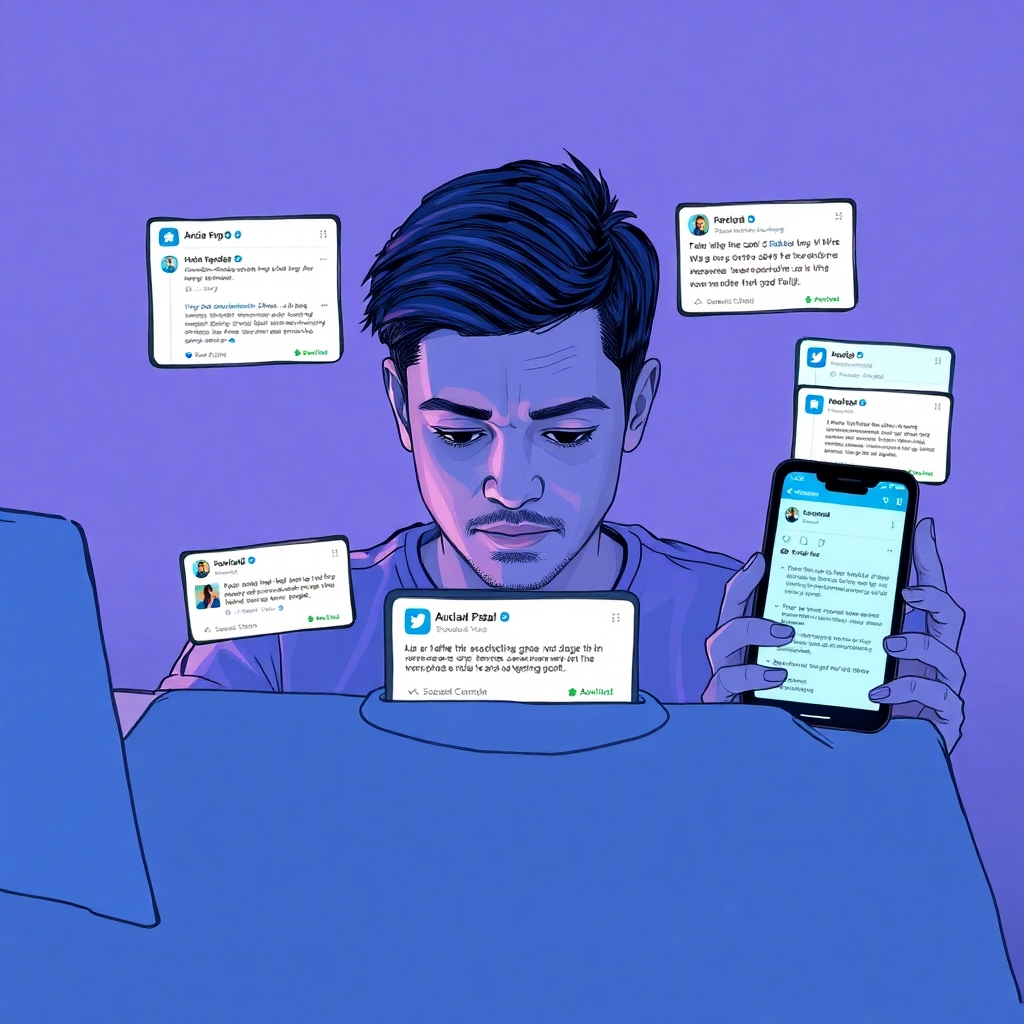
Perhaps one of the most powerful psychological drivers of urgency is the Fear of Missing Out, or FOMO. This isn’t just about missing a good deal; it’s about missing an experience, a social connection, or a trending cultural moment. When a new game drops, for instance, there’s an urgent desire to be part of the initial wave of players, to share in the communal excitement, and to avoid being left out of conversations.
Social proof amplifies FOMO significantly. Seeing friends or influencers actively engaging with a new game, celebrating a great deal, or discussing a major update creates a powerful pull. If everyone else is doing it, there must be a good reason, and the pressure to conform and participate becomes an urgent, almost irresistible force. This collective behavior reinforces the idea that the opportunity is valuable and fleeting.
The Illusion of Scarcity and Its Urgent Call
Humans inherently value things that are scarce. This principle is widely used to create an artificial sense of urgency. Phrases like “limited stock,” “exclusive access,” or “offer ends soon” are not just descriptive; they are manipulative. They imply that the opportunity is rare and finite, thereby increasing its perceived value and prompting an immediate, often unconsidered, response.
Even when the scarcity is entirely manufactured—a countdown timer that resets, or a “limited stock” item that’s always available—our brains still respond as if the threat of loss is real. This cognitive bias makes us prioritize short-term gains and avoid potential losses, driving us to act urgently even when a rational assessment might suggest otherwise. The pressure to secure something before it’s gone overrides critical thinking.
Navigating the Constant State of Urgent Demands
Given how deeply ingrained these urgent triggers are in our digital world and our psychology, how can we navigate them more effectively? The key is to develop strategies that empower us to differentiate between genuine urgency and manufactured pressure, allowing us to make more intentional choices.
Developing a Critical Lens for Urgent Messaging
The first step is to cultivate a critical mindset. When faced with an urgent prompt, pause and ask yourself: Is this truly urgent, or is it merely framed that way? What are the actual consequences of *not* acting immediately? Often, the “urgent” deadline is arbitrary, and the “limited” offer will reappear in another form. Developing this critical lens helps to disarm the immediate emotional response and engage rational thought.
Consider the source and the intent. Is the message designed to benefit you, or primarily to drive a sale or engagement? Understanding the underlying motivations behind urgent messaging can help you resist impulsive decisions. This mindful questioning can transform your reaction from automatic compliance to deliberate choice, reducing the power of the urgent call.
Prioritizing What’s Truly Urgent in Your Life
Not everything that demands immediate attention is truly important. A critical skill in managing the constant barrage of urgent requests is to distinguish between what is genuinely vital and what is merely loud. This involves setting personal priorities and aligning your actions with your long-term goals and values, rather than reacting to every fleeting digital prompt.
Establishing boundaries with digital notifications and designating specific times for checking updates can significantly reduce the feeling of being constantly on call. By proactively deciding when and how you engage with digital stimuli, you reclaim control over your time and attention, allowing you to focus on what is truly urgent and meaningful in your life, rather than being swept away by every digital current.

A New Approach to Responding to the Urgent
Instead of being reactive to every urgent demand, we can cultivate a more proactive and mindful approach. This shift in perspective allows us to engage with the digital world on our terms, fostering a greater sense of peace and control.
Embracing Mindful Consumption
Mindful consumption extends beyond just what we buy; it encompasses how we spend our time and attention. Rather than succumbing to the urgent pressure of a flash sale or a new game drop, take a moment to consider if it aligns with your genuine needs and desires. Do you truly need this item? Will this game genuinely bring you sustained enjoyment, or is it just another fleeting distraction?
This approach encourages valuing long-term satisfaction over immediate, fleeting gains. It’s about making conscious choices that contribute to your overall well-being and happiness, rather than reacting to external stimuli. By pausing to reflect, you can often discern whether an urgent prompt is truly an opportunity or just clever marketing.
The Power of Delay and Deliberation
In a world that constantly pushes for immediate action, the power of delay and deliberation can be revolutionary. Practicing the discipline of waiting before making a purchase or committing to a new digital experience allows for a more considered decision. Often, the “urgent” deal will return, or a similar, equally satisfying alternative will present itself.
This deliberate pause allows you to research, compare, and truly assess the value. It also helps to detach from the emotional pull of FOMO. By choosing to step back, you gain perspective and avoid the regret of impulsive decisions. This shift empowers you to be an active participant in your digital life, rather than a passive recipient of its urgent demands.
Conclusion
The digital age, with its “urgent freebies,” “massive game updates,” and “slashed prices,” has undeniably intensified our exposure to manufactured urgency. From blockbuster game drops to game-changing patches, the pressure to act now is pervasive. Understanding the psychological underpinnings of this constant pressure – from our innate desire for immediate gratification and the pervasive fear of missing out, to the clever illusion of scarcity – is the first step towards reclaiming control.
By developing a critical lens, prioritizing what truly matters, and embracing mindful consumption and the power of deliberation, we can navigate this urgent world with greater intention and less stress. It’s about shifting from a reactive stance to a proactive one, choosing when and how to engage, rather than being swept along by every digital current. The next time you encounter an urgent call to action, pause, breathe, and ask yourself: Is this truly urgent for me, or is it an invitation to make a more deliberate choice?
About The Author
