
Welcome to a deep dive into the dynamic and often unpredictable world of video games, where every release, update, and rumor sparks fervent discussion. Our focus today is on the critical importance of strategic analysis across different facets of the gaming industry, from understanding player value to deciphering market trends. We’ll be conducting a thorough analysis of a recent free Epic Games Store title, dissecting the community’s passionate backlash against a specific popular game’s latest balance update, and sifting through the escalating rumors surrounding the highly anticipated next-generation Nintendo Switch 2. This comprehensive examination aims to illuminate the underlying currents shaping the gaming landscape today.
An In-Depth Analysis of the Latest Free Epic Games Store Offering
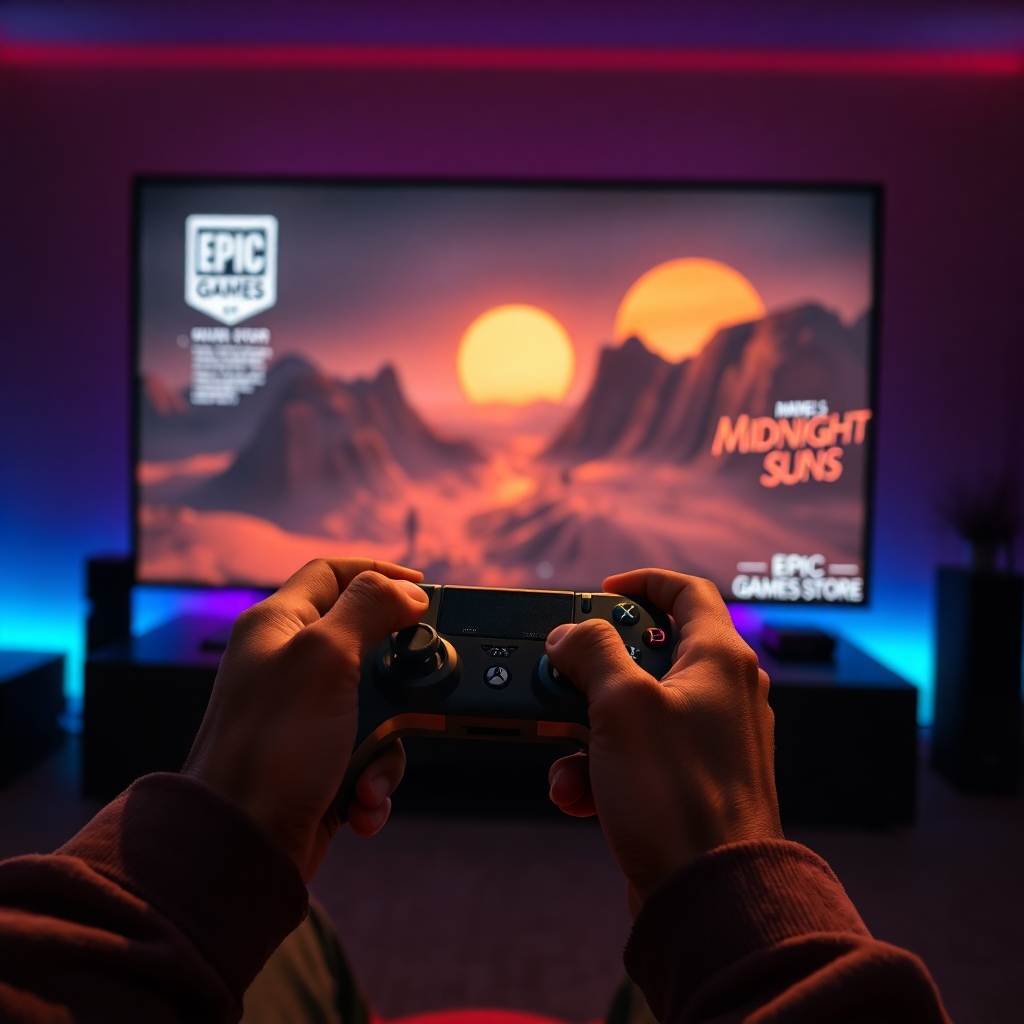
The Epic Games Store has become a significant player in the digital distribution space, largely thanks to its aggressive strategy of offering free titles regularly. This approach isn’t just about generosity; it’s a calculated business move designed for user acquisition and platform engagement. Our analysis of a recent free offering, such as the critically acclaimed “Marvel’s Midnight Suns,” reveals the multi-layered benefits of this strategy.
The Strategic Value of Free Games: A Business Analysis
When “Marvel’s Midnight Suns,” a tactical RPG developed by Firaxis Games, was made available for free, it created a buzz that extended far beyond its existing fanbase. For Epic Games, this move serves as a powerful incentive for new users to create an account and download the launcher, potentially exposing them to other titles and the platform’s storefront. This detailed analysis shows that even if players only download the free game, they are now part of Epic’s ecosystem, making future purchases more likely.
For the game’s publisher and developer, making a premium title free can breathe new life into its sales cycle. It introduces the game to a vast new audience who might then purchase DLCs, expansions, or even other titles from the same studio. This strategic analysis underscores how a ‘free’ offering can paradoxically lead to increased revenue and extended longevity for a game, particularly for titles that might have already seen their initial sales peak. It also generates valuable data on player engagement and preferences, informing future development and marketing efforts.
Furthermore, the offering boosts the game’s visibility and community activity. A surge of new players often translates to more online discussions, fan content, and even a renewed interest in competitive play, if applicable. This broader market analysis demonstrates how such promotions can foster a vibrant community around a title, keeping it relevant long after its initial launch. It’s a win-win scenario that leverages the platform’s reach to revitalize a game’s presence and expand its player base significantly.
Community Backlash Analysis: Overwatch 2’s Latest Balance Update
Few things ignite a gaming community’s passion – and sometimes ire – more than a significant balance update in a competitive live-service title. “Overwatch 2,” with its hero-based shooter mechanics, is no stranger to such reactions. The recent balance update, which saw substantial nerfs to tank hero Orisa and buffs to several damage-per-second (DPS) characters, triggered a widespread and vocal community backlash, prompting a careful analysis of its causes and implications.
Dissecting Player Sentiment: A Critical Analysis of Balance Changes
The core of the backlash stemmed from a perceived shift in the game’s meta, disproportionately affecting tank players and veteran Orisa mains. Our analysis indicates that players felt their investment in mastering a particular hero was undermined, leading to frustration and a sense of unfairness. Many argued that the nerfs were too aggressive, making Orisa feel significantly weaker and less impactful, while the DPS buffs amplified existing frustrations with damage creep in the game.
Social media platforms, particularly Reddit and Twitter, became hotbeds for player grievances. Threads detailing specific grievances, alongside montages of “before and after” gameplay, quickly gained traction. This extensive analysis of community feedback highlighted several recurring themes: a desire for more nuanced changes, better communication from the development team regarding the rationale behind updates, and a feeling that player feedback was being overlooked. The professional esports scene also weighed in, with some pros expressing concerns about the competitive integrity and balance of the game at the highest level.
Such backlash is not uncommon in live-service games, where developers constantly walk a tightrope between refreshing the meta and maintaining player satisfaction. This particular incident, however, underscores the delicate balance required and the profound impact even minor numerical adjustments can have on player experience and game health. A deeper analysis often reveals that it’s not just the change itself, but the perceived lack of understanding of the player base’s perspective that fuels the most intense reactions. Effective communication and a transparent development process are crucial for mitigating such widespread discontent and fostering a positive relationship with the player community. This ongoing challenge requires continuous feedback loops and iterative adjustments based on data and sentiment analysis.
Escalating Rumors: An Analysis of the Next-Generation Nintendo Switch 2
The gaming world is perpetually abuzz with speculation, and few topics generate as much fervent discussion as the potential successor to a beloved console. The Nintendo Switch, having sold over 130 million units worldwide, has set a high bar, making rumors about the “Nintendo Switch 2” particularly potent. Our comprehensive analysis delves into the most persistent rumors, examining their credibility and potential implications for the future of handheld and home console gaming.
Unpacking the Speculation: A Feature and Release Date Analysis
One of the most consistent rumors points to significant hardware upgrades, including 4K resolution capabilities when docked, enhanced graphics processing (possibly with NVIDIA DLSS support), and a larger, higher-resolution OLED screen in handheld mode. This technical analysis suggests Nintendo aims to bridge the graphical gap with its competitors while maintaining the hybrid console’s unique selling proposition. Backward compatibility with existing Switch games is another frequently cited feature, which would be a massive win for current Switch owners, ensuring their extensive digital libraries remain relevant.
Regarding a release window, speculation has ranged from late 2024 to early 2025, with recent reports leaning towards the latter. This timing analysis aligns with Nintendo’s typical console lifecycles and provides ample time for a robust launch lineup. Potential pricing is also a hot topic, with many predicting a slight increase over the original Switch’s launch price, reflecting the upgraded technology. A critical analysis of market trends indicates that Nintendo will likely aim for a competitive price point, balancing cutting-edge features with accessibility to maintain its broad appeal.
The impact of a new Switch would be monumental, not just for Nintendo but for the entire industry. It would likely spur a new wave of game development, pushing graphical boundaries for handheld experiences. Our strategic analysis also considers the competitive landscape, where the Switch 2 would stand against the PlayStation 5, Xbox Series X/S, and emerging handheld PC devices like the Steam Deck. Nintendo’s ability to innovate and deliver unique gaming experiences, rather than just raw power, will be crucial. The ongoing rumors, fueled by patent filings, supply chain leaks, and developer insights, underscore the immense anticipation for Nintendo’s next big reveal. A thorough analysis of these whispers helps us piece together a picture of what Nintendo might have in store, confirming that the company is indeed preparing for a significant leap forward.
The Enduring Power of Strategic Analysis in Gaming
From the shrewd business decisions behind free game giveaways to the passionate reactions elicited by balance updates and the tantalizing whispers of next-generation hardware, the gaming world is a complex tapestry. Our detailed analysis of the Epic Games Store’s free title strategy, the community’s response to “Overwatch 2” balance changes, and the pervasive rumors surrounding the Nintendo Switch 2, collectively highlights the critical role of insightful examination in understanding this dynamic industry. Each event, whether a deliberate marketing choice or an unforeseen player reaction, offers valuable lessons and shapes the future trajectory of gaming.
The constant evolution of technology, player expectations, and business models demands a continuous process of analysis and adaptation from developers, publishers, and platforms alike. Understanding player sentiment through careful community analysis, predicting market shifts, and strategically positioning new hardware are all vital components of success in this competitive landscape. The power of strategic analysis isn’t just about reacting to what happens; it’s about anticipating, understanding, and ultimately shaping the experiences that captivate millions worldwide.
What are your thoughts on these developments? Have you tried the free Epic Games title, or felt the impact of “Overwatch 2″‘s latest patch? Are you eagerly awaiting the Nintendo Switch 2? Share your own analysis and join the conversation in the comments below!
About The Author
