
In a groundbreaking announcement set to redefine the landscape of medical innovation, Pfizer has officially unveiled its cutting-edge AI-driven cancer drug discovery platform. This monumental initiative, culminating in promising Phase 1 clinical trial results revealed in 2026, marks a pivotal moment in the fight against cancer. The pharmaceutical giant’s strategic pivot towards integrating advanced artificial intelligence into its R&D pipeline promises to accelerate the discovery of novel therapies, offering renewed hope to millions worldwide. This development not only underscores Pfizer’s unwavering commitment to pioneering new health solutions but also solidifies its position at the forefront of pharmaceutical innovation.
The Dawn of a New Era in Cancer Treatment with Pfizer
For decades, the journey from identifying a potential therapeutic target to bringing a life-saving cancer drug to market has been fraught with challenges. It’s a process that is notoriously time-consuming, immensely expensive, and often characterized by high failure rates. Traditional drug discovery relies heavily on laborious manual experimentation, empirical screening, and a degree of serendipity. However, the advent of artificial intelligence is rapidly transforming this paradigm, ushering in an era of unprecedented precision and efficiency.
Cancer, a complex and multifaceted disease, continues to be a leading cause of mortality globally. Despite significant advancements in chemotherapy, radiation, and immunotherapy, many forms of cancer remain resistant to treatment, and others develop resistance over time. This urgent need for more effective, targeted, and less toxic therapies has driven pharmaceutical companies like Pfizer to explore revolutionary approaches.
Pfizer’s Vision for AI in Drug Discovery
Pfizer’s new AI-driven platform is not merely an incremental improvement; it represents a fundamental shift in how drug discovery is conceived and executed. The vision behind this platform is to harness the immense power of AI and machine learning algorithms to analyze vast datasets, predict molecular interactions, and identify promising drug candidates with unparalleled speed and accuracy. This significantly reduces the guesswork and manual effort traditionally associated with early-stage drug development.
The platform integrates various AI technologies, including deep learning for image analysis of tumor cells, natural language processing for sifting through scientific literature, and predictive modeling for identifying novel drug targets. This holistic approach allows Pfizer to explore chemical space more efficiently, design molecules with desired properties, and even personalize treatment strategies based on individual patient data. The ambition is clear: to shorten the drug discovery timeline and bring transformative therapies to patients faster than ever before.
Unpacking Pfizer’s AI-Driven Platform
At the heart of Pfizer’s groundbreaking platform lies a sophisticated architecture designed to tackle the most intractable problems in oncology. This system leverages massive datasets encompassing genomic information, proteomic profiles, clinical trial results, and real-world patient data. By feeding this information into advanced machine learning models, the platform can identify subtle patterns and correlations that human researchers might miss, accelerating the identification of disease pathways and potential intervention points.
One of the key components is its ability to rapidly screen billions of compounds virtually. Instead of synthesizing and testing each molecule physically, AI can predict how different compounds will interact with specific biological targets. This in silico screening dramatically narrows down the pool of candidates, allowing Pfizer’s scientists to focus their efforts on the most promising molecules, thereby saving significant time and resources.
The Mechanics of Innovation at Pfizer
The innovation mechanics at Pfizer involve several integrated modules. First, a ‘Target Identification Module’ uses AI to pinpoint novel proteins or pathways implicated in cancer progression, often identifying targets previously overlooked by conventional methods. Second, a ‘Molecule Design Module’ employs generative AI to design new chemical entities from scratch, optimizing them for potency, selectivity, and safety profile. This module can even suggest modifications to existing drugs to improve their efficacy or reduce side effects.
Furthermore, a ‘Predictive Toxicology Module’ uses machine learning to forecast potential adverse effects of drug candidates early in the development process, minimizing the risk of late-stage failures. This comprehensive approach ensures that the drug candidates advancing to preclinical and clinical trials are not only effective but also possess a favorable safety profile. The integration of these modules creates a powerful, self-improving system that continuously learns and refines its predictions, bolstering Pfizer’s commitment to patient safety and therapeutic efficacy.
Promising Phase 1 Results: A Glimpse into Pfizer’s Future
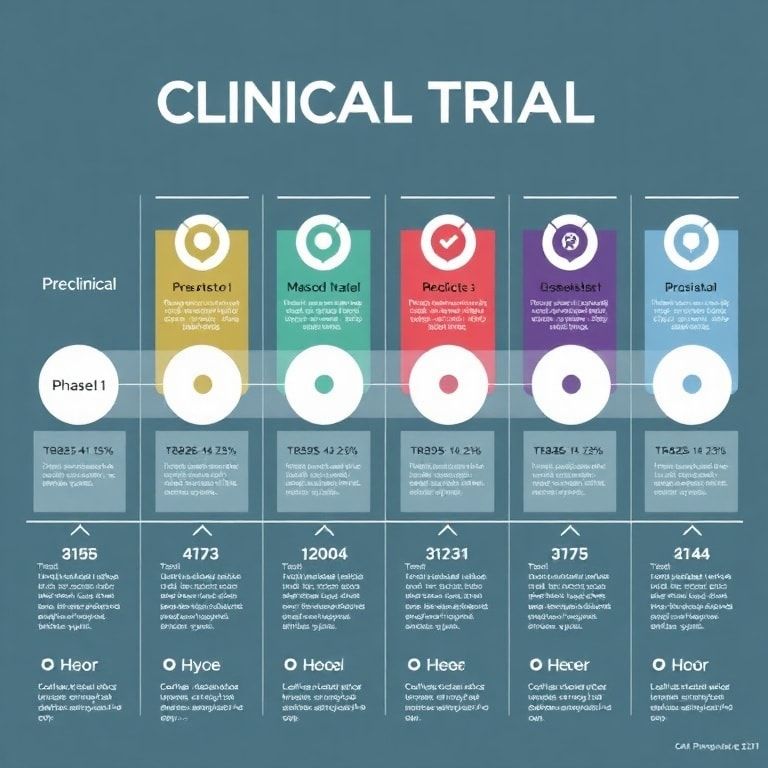
The announcement of promising Phase 1 clinical trial results in 2026 is a monumental milestone for Pfizer and the entire medical community. Phase 1 trials are the first stage of human testing for a new drug. Their primary objectives are to evaluate the drug’s safety, determine a safe dosage range, and identify any initial side effects. While not primarily designed to assess efficacy, promising signs in this early stage can be incredibly encouraging.
The specific drug candidate, developed entirely through Pfizer’s AI platform, has shown encouraging signs of safety and tolerability in human subjects. While details remain under wraps due to ongoing research and intellectual property considerations, preliminary data suggests that the drug is well-received and exhibits a favorable pharmacokinetic profile. Crucially, early biological markers indicate potential activity against specific cancer types, hinting at its therapeutic promise. This early success validates the efficacy of Pfizer’s AI platform and its potential to deliver groundbreaking treatments.
Impact on Patients and the Broader Scientific Community by Pfizer
The implications of these promising Phase 1 results extend far beyond Pfizer’s laboratories. For patients battling cancer, this news offers a beacon of hope. A faster, more efficient drug discovery process means that novel, targeted therapies could reach them sooner, potentially transforming prognoses and improving quality of life. The ability of AI to identify drug candidates for rare or aggressive cancers, which often receive less research funding, is particularly exciting.
For the broader scientific community, Pfizer’s success serves as a powerful validation of AI’s transformative potential in medicine. It encourages further investment and collaboration in this field, potentially accelerating breakthroughs across various disease areas. This development also highlights the importance of open science initiatives and data sharing, as the effectiveness of AI models is directly tied to the quality and volume of data they can access. Regulatory bodies, such as the FDA, are also closely watching these developments, adapting their frameworks to accommodate AI-driven drug development, ensuring both innovation and patient safety.

The Broader Implications of Pfizer’s Breakthrough
Pfizer’s AI-driven platform and its early successes are poised to create a ripple effect across the entire pharmaceutical industry. Competitors will undoubtedly intensify their own AI initiatives, leading to a new era of innovation and potentially a healthier global population. The race to leverage AI for drug discovery will likely spur significant advancements in computational biology, data science, and personalized medicine.
However, this paradigm shift also brings forth important considerations. Ethical questions surrounding data privacy, algorithmic bias, and the role of human oversight in AI-driven decisions will need careful navigation. Ensuring that AI models are trained on diverse and representative datasets is crucial to avoid perpetuating health disparities. Furthermore, robust regulatory frameworks will be essential to ensure the safety and efficacy of AI-discovered drugs as they move through the development pipeline.
The future of medicine, spearheaded by companies like Pfizer, is increasingly intertwined with artificial intelligence. Beyond cancer, AI holds immense promise for addressing a myriad of diseases, from neurodegenerative disorders to infectious diseases. By automating and optimizing critical steps in drug development, AI can free up human researchers to focus on higher-level problem-solving and creative exploration, ultimately enhancing our collective ability to combat illness.
Pfizer’s commitment to this advanced technology demonstrates a forward-thinking approach that prioritizes efficiency, precision, and patient benefit. Their leadership in this space will undoubtedly inspire future generations of scientists and technologists to further push the boundaries of what’s possible in healthcare.
Conclusion: Pfizer, Forging the Future of Health
The unveiling of Pfizer’s AI-driven cancer drug discovery platform and its promising Phase 1 results in 2026 marks a historic turning point in the relentless battle against cancer. By harnessing the unparalleled capabilities of artificial intelligence, Pfizer is not just developing new drugs; it is fundamentally transforming the very process of drug discovery itself. This innovation promises to deliver more effective, targeted, and rapidly developed therapies, offering a renewed sense of hope and significantly impacting patient outcomes globally.
Pfizer’s pioneering efforts underscore its enduring commitment to scientific excellence and its vision for a healthier future. As we move forward, the integration of AI into pharmaceutical research will undoubtedly accelerate the pace of medical breakthroughs, paving the way for a new generation of life-saving treatments. The journey ahead will require continued collaboration, ethical considerations, and unwavering dedication, but with leaders like Pfizer at the helm, the future of health looks brighter than ever.
Stay informed about these groundbreaking advancements and learn how you can support innovative medical research. Visit Pfizer’s official research and development portal for more details on their AI initiatives and clinical trials. Together, we can accelerate the journey towards a world free from the burden of cancer and other debilitating diseases.

About The Author
